Private Fleet RFID Gate Automation

What we deliver
The Problem (Before)
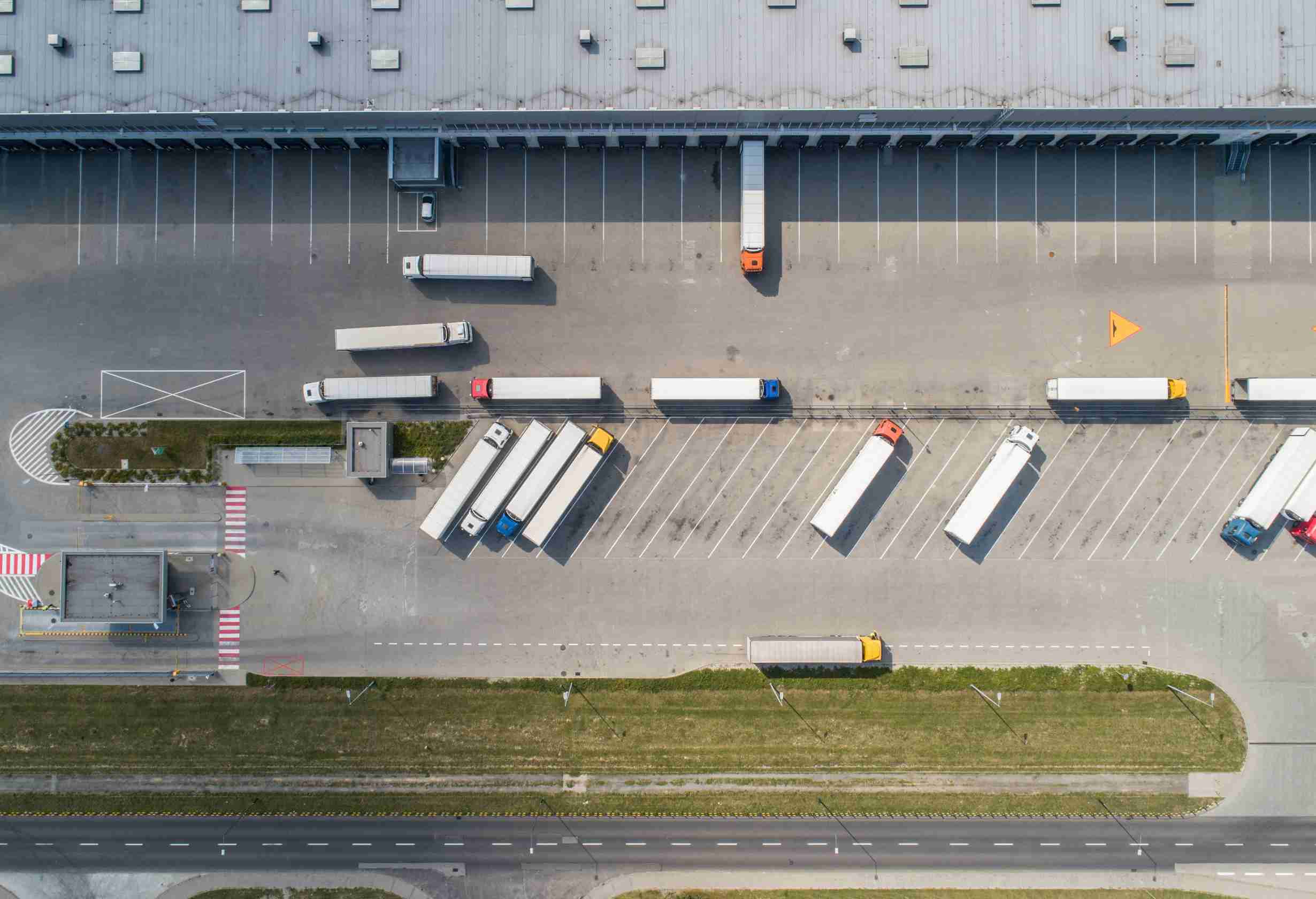
Private fleet yards with high-volume gate traffic create bottlenecks and ghost inventory from manual check-in/checkout processes, especially in multi-site operations where trailers move between facilities without being reconciled.
Yard Manager, Fleet Operations Manager, Logistics Coordinator
The Outcome (After)
RFID-triggered instant check-in/checkout as trailers pass gates; automatic cross-site checkout when a trailer departs one facility and arrives at another; ghost inventory elimination across the full multi-site network.
Private fleet-specific RFID automation with cross-site intelligence vs. computer vision gates optimized for inbound carrier traffic: fundamentally different operational use case.
How it works
Uses RFID tags to trigger automated check-in/checkout as trailers pass gates, with intelligent cross-site reconciliation that eliminates ghost inventory without manual intervention.

- Cross-site yard network data
- Private fleet asset tracking
- Historical gate throughput intelligence
This intelligence exists because the Graph aggregates behavior across 882 enterprise shippers, 10,164 carriers, and 3.6 million facilities over 11 years. No single company's data could produce it.

Private fleet-specific RFID automation with cross-site intelligence vs. computer vision gates optimized for inbound carrier traffic: fundamentally different operational use case.
The intelligence layer is what creates the gap. Building the basic capability is straightforward. Building it on top of 11 years of cross-company facility and yard intelligence is what cannot be replicated with software alone.

Yard Twin

Cross-company facility and yard intelligence powering every decision
FourSight AI: "How many gate events were processed automatically today?"
Custom Insights:
- Yard gate throughput analytics
- Ghost inventory reporting




Facility Modernization
- Zero-Blind-Spot Yard Operations
- Zero-Staff Gate Operations
- Spotter Task Automation
- Intelligent Dock Door Assignment
- End-to-End Facility Arrival Orchestration
Validation
Deployment Evidence

Expected Impact Range

Related outcomes
Carriers book their own appointments. No calls, no emails, no faxes.
At-risk appointments caught and rescheduled before carriers arrive at the wrong time.
Every inbound load auto-scheduled the moment it enters the network. No coordinator required.
One billion hours of operational work completed by AI agents over the next decade.