On-Demand Gets More Demanding. What Now?

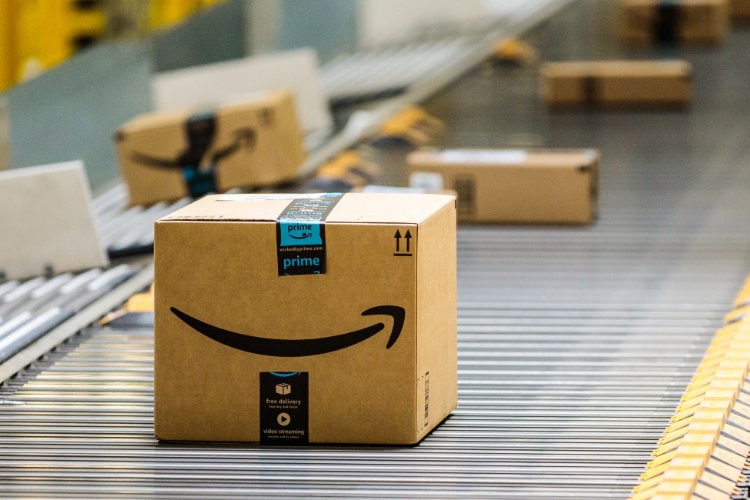
Last week Amazon mentioned in its quarterly earnings that the company is evolving its free two-day shipping program for Prime customers to “a free one-day shipping program.” (“Almost nonchalantly,” as Bloomberg reported. Surely Amazon understood the shockwaves they were unleashing on the industry.) Fortune reported on Walmart’s pointed response – “One-day free shipping…without a membership fee. Now THAT would be groundbreaking” – and declared one day shipping to be “the new normal.”
Tit-for-tat posturing amongst industry giants aside, I tend to agree with Fortune’s premise. One-day shipping, if it’s not the new normal today, it will be soon. When the likes of Walmart and Amazon say one-day, the industry will certainly follow. So what now?
At a high-level, there are really just two paths. Retailers can hold more inventory – which, of course, costs more – or they can run a leaner and more efficient operation by leveraging the latest and best technologies to meet the market’s demands. The choice is obvious.
Consider consumer packaged goods companies. Direct-to-consumer e-commerce startups (think Dollar Shave Club, The Honest Company and Warby Parker, amongst many more) are disrupting the old guard through better customer experiences, more specialized and personalized goods, faster delivery and more. These companies are building disruptive business models by using the latest technology to make better and faster business decisions. And then there are innovators like ShipBob and Latch that are accelerating last-mile delivery, making faster delivery times a reality.
To compete with these new, more nimble startups, it’s time for the incumbents to start leveraging technology to their advantage.
With a one-day-shipping reality looming, it’s more important than ever to know where your shipments are, in real-time. To be able to predict an ETA on your loads, with as much specificity and accuracy as possible. To be able to find excess capacity in a tight market still struggling with deadhead.
All of this is possible, today, when shippers and their carriers join together to share real-time visibility data. Shipper and carrier networks sharing transportation logistics data can leverage artificial intelligence to predict hiccups and bottlenecks before they even happen – giving transportation professionals the ability to mitigate potential problems before they cause costly delays.
These are remarkable leaps forward for an industry that has spent the vast majority of its history on the phone trying to figure out where trucks are. Modernization is no longer an option; it’s now about survival and differentiation. The only way to compete in a world where on-demand is growing more demanding by the day is to leverage the latest technology to run a more intelligent and efficient operation.
Thank you for your submission!