Network Effects: The Next Frontier in Supply Chain Visibility

“Network effects” is a term that was coined when the original telephone networks took off more than a century ago. The basic idea is that a single telephone is completely worthless. Add a second and suddenly you have something useful. Keep adding phones and people, and the value of a telephone network multiplies.
The same is true for supply chain visibility. The lack of real-time data and cross-company connectivity has consistently held back the advancement and evolution of the supply chain. As the data and the resulting predictive analytics become more prevalent across supply chains, the potential for participating companies to benefit will exponentially increase. That idea has become a bit of a mantra at FourKites: More shippers = more data = more value. With FourKites’ network currently numbering more than 250 of the world’s leading shippers (and growing daily), it’s worth spending more time on how network effects can benefit all supply chain stakeholders.
Building a Visibility Foundation
Not unlike a telephone network (or an online marketplace, or a social media platform, etc.), a visibility platform is foundational. It is Step One in terms of value creation. Step Two is beginning to use the data generated by the platform to take actions that can help you run a more nimble and efficient business. In supply chain, that path almost always involves other parties in your ecosystem.
At a high level, network effects should translate into greater business velocity and more efficient and cost-effective operations. Bigger picture, it can shift transportation from cost center to competitive differentiator.
Let’s look at some concrete examples.
Opt-in, Share, Collaborate
We talk frequently with our shippers about the concept of “opting in to share data.” It’s about taking your data and overlaying it with data from others in the network to surface opportunities – for greater collaboration, optimization and, ultimately, value creation.
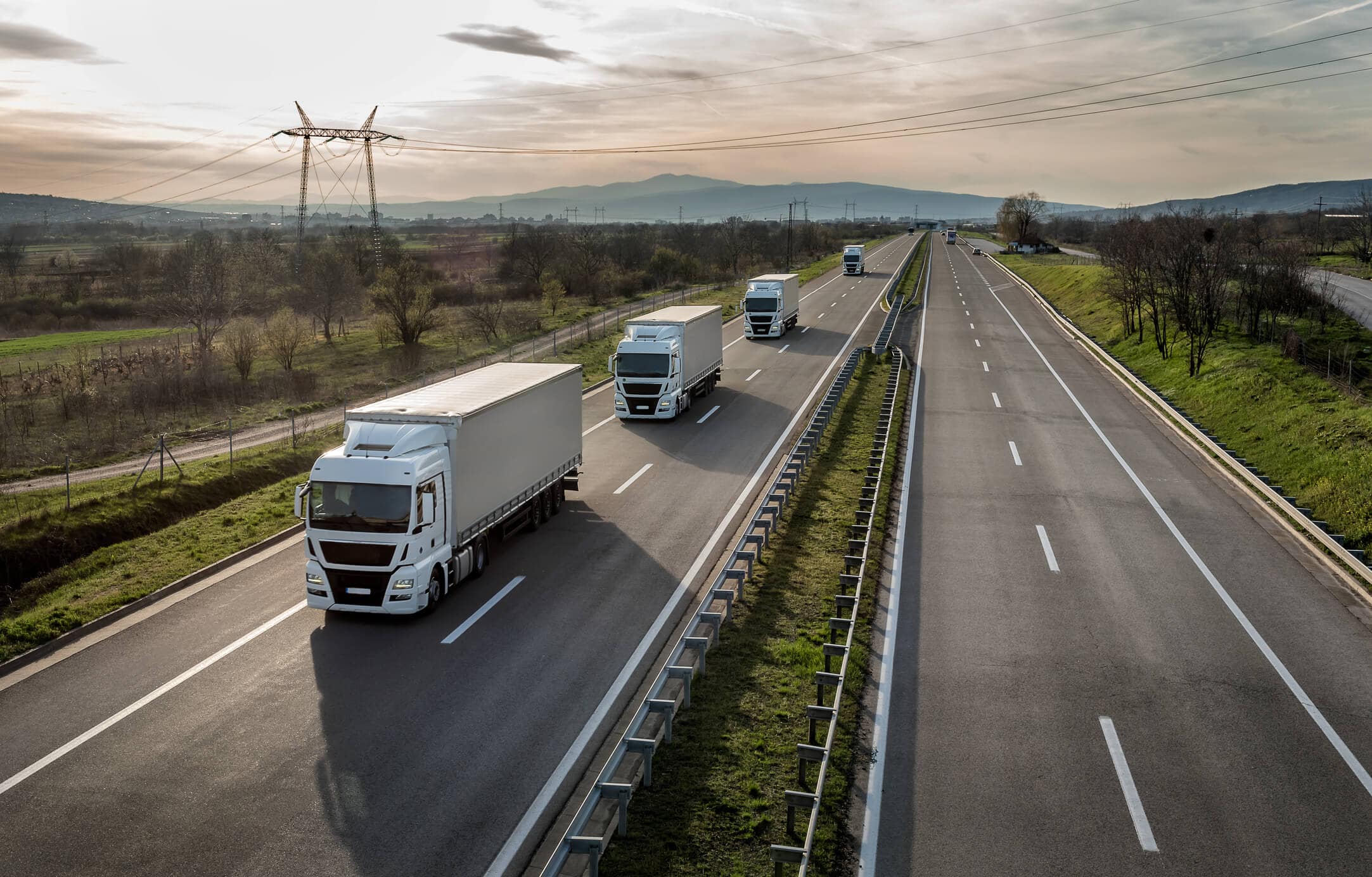
A great example is the organic collaboration that is taking place in today’s market between shippers, carriers and 3PLs, which tackles the deadhead problem by identifying under-utilized trucks along your supply chain. It’s the sharing of real-time visibility data across the network that makes it possible to dynamiy match shipments with available capacity. That level of transparency is a real game-changer for an industry that can’t afford to have trucks wasting capacity and fuel as they drive around empty (and no less for the drivers themselves, who face a greater risk of accidents when hauling empty trailers).
Unexpected Connections: Group Insights & Subgroups of Interest
Robust networks also create opportunities for subgroups to form and collaborate around common areas of opportunity. Imagine a CPG company enabling upstream and downstream visibility into its supply chain, with a goal of optimizing inbound packaging supplies with outbound deliveries to retail stores. A transparent supply chain enables them to see all of the dots on a map, where their shipments are now and where they are going to be later. They can anticipate problems before they occur and dynamiy solve for them through real-time optimization. Through machine learning, we can automate and solve for the path of least resistance by reducing friction points and optimizing for cost and productivity. A carrier might be working across all three companies in that supply chain and now benefits from less deadhead and greater utilization because of these private networks. Everyone wins.
Part of what’s cool about these networks is the less obvious subgroups that can form. Consider seasonality, for example. If I’m a beverage shipper and my volume peaks in a given lane during Q2 and Q3, I could link up with an electronics provider who uses the exact same lane, but whose seasonality is in Q4 and Q1. Visibility gives every company in that subgroup the ability to normalize volatility in that lane by creating greater density and cadence across the entire chain. All of those factors drive better utilization for the network. Carriers, shippers and 3PLs can all remove operational friction through automation of business practices, and drivers are happier because they are able to earn more through improved utilization. Less friction, less deadhead, and more environmentally-friendly as a result.
A Network of Trust & Visibility
Ultimately, visibility fosters trust between participants across the network. Instead of countless hours spent searching for trucks or pointed arguments about who caused the delay at the distribution center, now everyone has the ability to consult a single source of the truth. Creating transparency across the supply chain reduces friction between stakeholders, enabling them to align on a shared language and common understanding. Suddenly the ecosystem can truly collaborate to unlock greater value for all parties.
This is an incredibly exciting time to be working in supply chain visibility, and we are only limited by our collective imagination. I’ll be writing more about supply chain collaboration and network effect opportunities going forward. Please feel free to reach out at any time to share your experiences and learnings.
Thank you for your submission!